

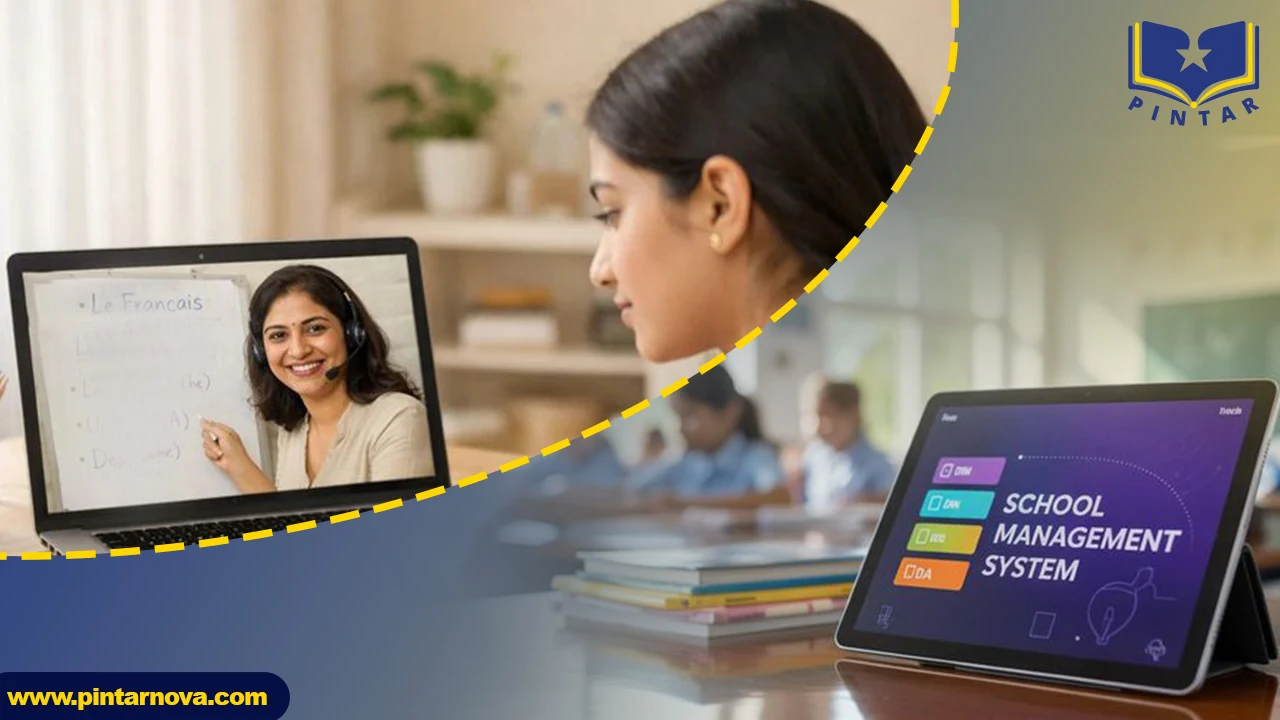
Homeschooling in Malaysia means teaching a child at home instead of sending them through a conventional school system. Parents take charge. They design the curriculum, set the schedule, and often partner with tutors or structured programmes to keep learning consistent. It’s a legal, recognised path, and thousands of Malaysian families now follow it.
This model matters because one classroom setup can’t serve every child equally well. Fixed timetables, large class sizes, and single-pace teaching leave some students disengaged or academically stuck, even in good schools. Homeschooling lets parents fix these gaps directly instead of waiting for a system-wide change.
Reason 1: A Curriculum Pace That Adjusts to the Child
Standard classrooms move at one speed for the entire group. Too fast, and comprehension suffers. Too slow, and interest disappears. Both outcomes chip away at academic confidence, which is exactly why many parents compare homeschooling against traditional schooling before deciding.
Homeschooling changes that dynamic entirely. A difficult topic gets revisited as many times as it takes, without social pressure. A strong subject moves ahead faster than any classroom would allow. This flexibility becomes especially valuable for students preparing for IGCSE or IB coursework, where extra time on subjects like Mathematics or Science can shift exam outcomes directly.
Parents should confirm that a programme tracks this pacing with real data, not guesswork. Pintarnova runs regular assessment checkpoints to flag gaps early and confirm when a student is ready to move faster, keeping parents informed at every stage rather than only at term’s end.
Reason 2: Access to International Curricula (IGCSE, IB, CBSE) From Home
Many Malaysian parents want their child’s qualifications to hold value for universities, both locally and overseas. That priority pushes families toward international curricula instead of a single national route, and IGCSE, IB, and CBSE all offer that broader recognition through a home-based structure.
IGCSE tends to be the most accessible starting point since it’s subject-based and widely accepted. Cambridge International confirms that <cite index=”0-1″>private candidates can register for exams through approved exam centres or through Cambridge Associates</cite>, so a child doesn’t need traditional school enrolment to sit for a recognised qualification. IB suits independent, research-driven learners well. CBSE fits families connected to Indian education systems. Subject selection deserves long-term thinking, not a quick pick. Consider how these paths connect to future study:
- Medicine and engineering degrees often require specific science and maths prerequisites
- Business degrees may favour economics or accounting foundations
- Arts and humanities pathways usually offer more subject flexibility
An early misstep here can limit options years down the line. Our tutors provide curriculum guidance based on each child’s academic profile and future goals, keeping the pathway aligned with university requirements from day one.
Reason 3: A Schedule Built Around the Child’s Natural Learning Rhythm
Every conventional school runs on one fixed timetable. Every student must adapt to it, regardless of when they focus best. But children don’t concentrate at the same hours. Some think clearly the moment they wake up; others need time to warm up before their attention sharpens.
That mismatch shows up fast as fatigue, restlessness, or work that doesn’t reflect real ability. Homeschooling removes the friction by letting lessons follow a child’s strongest hours instead of a bell schedule. A homeschool day still needs structure. Parents should look for:
- Fixed core-subject blocks during peak focus hours
- Clear deadlines and weekly checkpoints
- Lighter tasks like revision or reading scheduled for lower-energy periods
Pintarnova builds timetables around academic targets first, then fine-tunes them to match each child’s energy levels, so the day stays organised without becoming rigid.
Reason 4: A Lower-Stress Learning Environment
Bullying, constant comparison, and classroom anxiety affect a real and measurable share of students, and these pressures reduce academic performance even in capable children. Some kids withdraw. Others simply lose interest in subjects they once enjoyed. Parents usually notice these shifts before teachers do.
Homeschooling reduces exposure to these stressors by removing the daily social pressure baked into large classrooms. Learning happens in a calmer space with fewer distractions, and academic focus often recovers as a result. This isn’t about removing challenge from education. It’s about introducing that challenge somewhere more supportive.
Research on homeschooling and social development stays mixed in overall quality, but the available studies generally show no clear harm to social skills. Some point to strong outcomes through alternative group activities instead. Parents should treat social interaction as something to plan for actively, not something to assume will happen.
Reason 5: Closer Parental Involvement in Academic Progress
In a conventional school, parents often only learn about a struggle when the report card arrives sometimes months after the problem started. By then, the gap is harder to close, and the child’s confidence may already show it.
Homeschooling shortens that feedback loop considerably. Parents see effort, comprehension, and difficulty as they unfold in real time, not after an entire term has passed. This early visibility ranks among the most common reasons Malaysian parents give for choosing home education. This kind of involvement works best as a partnership. Pintarnova gives parents:
- Regular progress updates
- Direct review discussions with tutors
- Fast adjustments when a child needs extra support or recognition
Studies on home learning environments consistently link this level of engagement to stronger academic outcomes overall.
Reason 6: Room for Skill-Building Beyond the Syllabus
Standard classrooms deliver a curriculum efficiently within a fixed academic year. That leaves little room for public speaking, independent research, or self-directed projects. Homeschooling creates space for these skills without slowing down core academic progress.
A student curious about a topic outside the required syllabus can explore it right away, instead of waiting for the class schedule to catch up. A student working on a specific weakness in verbal communication, for instance can practise it in a lower-pressure setting first. Pintarnova treats this kind of enrichment as part of the academic plan itself, not an optional add-on, weaving it into the structured pathway alongside core subjects.
Reason 7: A Pathway That Adjusts to Changing Circumstances
Family relocations, health issues, and shifting personal situations rarely line up neatly with a fixed school calendar. Traditional systems offer limited room to accommodate these changes without disrupting a student’s academic year.
Homeschooling maintains continuity even when life shifts unexpectedly. A family relocating between cities or countries can keep lessons running without an academic gap. A student recovering from illness can resume study at a pace suited to their recovery, not a fixed deadline. Parents should confirm this flexibility upfront rather than assume it by default. Pintarnova structures its pathway to absorb these changes without forcing families to restart their academic plan from zero.
How Can Pintarnova Help Parents to Decide
Pintarnova reviews your child’s academic level, learning style, and future goals, then we guide you through curriculum options and support structures. That process turns an overwhelming decision into a clear, manageable one and you can ask questions before committing to anything.
Choosing homeschooling is a deeply personal decision, and it deserves careful thought rather than a quick reaction. With the right guidance, your child can learn in a way that feels calmer, clearer, and far more purposeful than before.
How Pintarnova Can Help You Decide
Homeschooling decisions feel overwhelming without expert guidance, and that’s where Pintarnova online tuition in Malaysia steps in. We review your child’s academic level, learning style, and future goals first, then guide you through curriculum options like IGCSE, IB, and CBSE. Every recommendation stays grounded in your child’s actual needs, not generic advice. You can ask questions freely before committing to anything, and Tomline Tuition’s structured support ensures nothing feels rushed. This turns an overwhelming decision into a clear, manageable one. With the right guidance, your child learns in a way that feels calmer and more purposeful.
Is Homeschooling Right for Your Child?
Homeschooling isn’t right for every child. It demands real commitment to planning, oversight, and consistent support. It becomes worth considering once current schooling stops delivering what a child actually needs. A few direct questions help clarify the decision:
- Is the child consistently stressed by the school environment?
- Does the child need a different academic pace than the classroom offers?
- Would a flexible schedule genuinely improve the family’s routine?
- Is access to an international curriculum a real priority?
- Does the child need a smaller, calmer learning setting?
A “yes” to several of these points toward homeschooling being worth a closer look. Families across Kuala Lumpur, Petaling Jaya, and beyond increasingly seek structured homeschool support for this exact reason: they want flexibility without losing academic direction.
Pintarnova reviews a child’s current academic level, learning style, and future goals before recommending any pathway. That process turns the decision into something informed, not reactive. When the fit works, the result is usually a more engaged learner and a clearer sense of direction for the whole family.
Frequently Asked Questions
Why are Malaysian parents choosing homeschooling?
Parents point to flexibility, reduced stress, and personalised pacing most often. Access to IGCSE, IB, or CBSE pathways and a calmer environment also drive the decision, and the specific reason usually depends on the child.
Is homeschooling better than traditional school?
Neither option wins universally. Homeschooling tends to work well when a child needs flexibility, individual attention, or lower stress, while traditional schooling suits many students just fine. The right call depends on the child’s learning style and emotional needs.
Can a child still sit recognized exams from home?
Yes. Students can register as private candidates for exams like IGCSE, usually through approved exam centres or providers. Requirements vary by centre, so parents should confirm details early.
Will a homeschooled child miss out on social development?
Not if the programme plans for it directly. Group classes, clubs, outings, and community sessions maintain healthy social interaction, but this requires deliberate planning, not assumption.
