

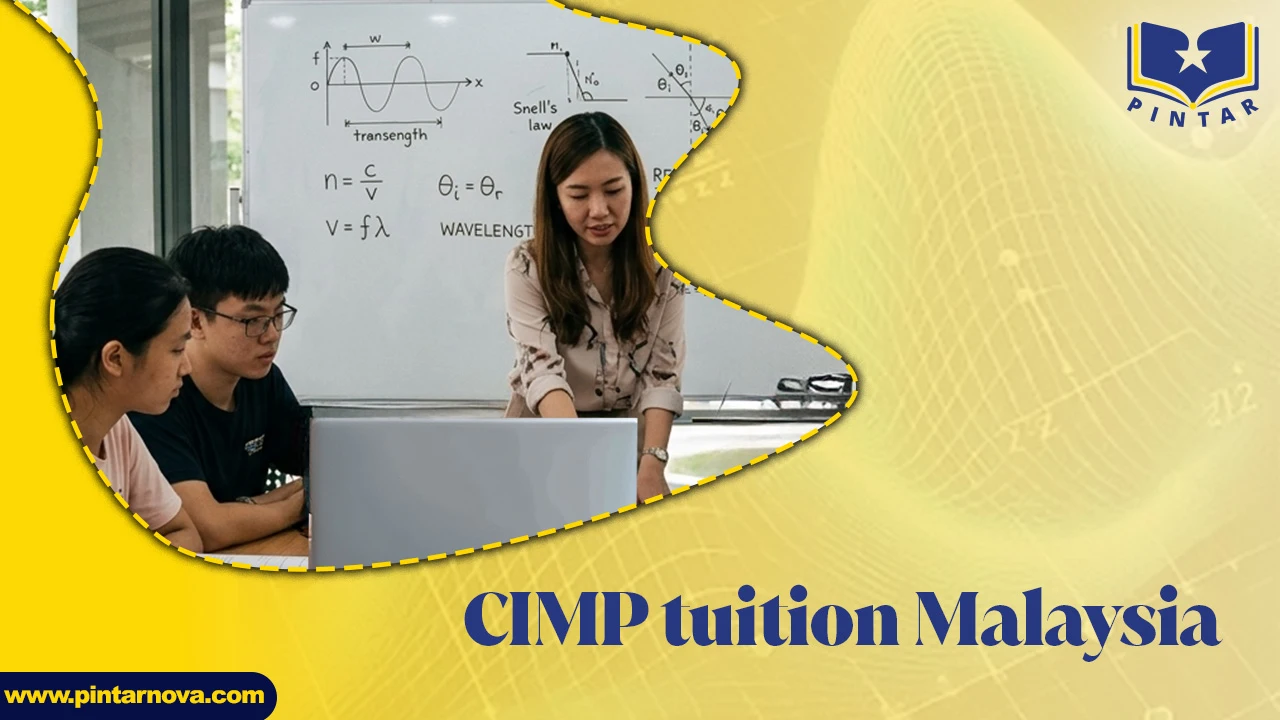
CIMP Physics is a tough subject for many students. It needs clear thinking, steady practice, and strong basics. One topic that often creates stress is Waves and Optics. Students learn it in class, but exam questions still feel confusing. Marks drop in this topic for a simple reason. The ideas look easy, but the questions test deep understanding. A small mistake in a diagram or formula can cost full marks. Many students in Malaysia look for extra help at this stage. That is why CIMP Physics tuition Malaysia has become a common search. Students want clear lessons, step-by-step help, and regular practice.
What Is CIMP Physics?
CIMP stands for Canadian International Matriculation Programme. Physics in this course builds strong foundations for higher study. Students do not just memorize facts. They learn how things work in real life. The subject covers motion, forces, energy, waves, light, and more.
Each topic connects to the next one. If the basics are weak, the next topic feels harder. That is why many students struggle as the course moves forward. Physics in CIMP also focuses on problem-solving. You must apply formulas and explain ideas clearly. This is where many students feel stuck. Because of this, many learners choose CIMP Physics tuition Malaysia. Tuition helps them go step by step instead of rushing through topics in class.
Why Waves and Optics Matter in CIMP Physics
Waves and Optics is a key part of CIMP Physics. It appears in exams every year and carries important marks. This topic connects directly to real life. Sound, light, mirrors, and lenses are all part of it. That makes it interesting, but also tricky. Students often feel fine at first. Basic ideas seem simple. But exam questions are different. They mix concepts and require careful thinking.
One mistake in a ray diagram or formula leads to wrong answers. Even if the idea is understood, marks can still be lost. This is why many students search for CIMP Physics tuition Malaysia. They want focused practice and clear explanations that match exam needs.
Waves and Optics Made Simple
To understand this topic, it helps to break it into small parts. Each part builds the full picture.
Waves Basics
A wave is a way energy moves from one place to another. It does not carry matter with it. It only transfers energy. Waves can be seen in water, sound, and light. There are two main types:
- Transverse waves: Movement is up and down, like light waves
- Longitudinal waves: Movement is back and forth, like sound waves
Three key terms are often used:
- Wavelength: Distance between two wave peaks
- Frequency: Number of waves passing a point in one second
- Amplitude: Height of the wave
Students often mix these up. Repetition and practice help fix this.
Light and Optics Basics
Light is also a wave. It behaves in a straight line in most cases. Optics is the study of light and how it moves. Two main ideas are important:
- Reflection: Light bounces back when it hits a surface
- Refraction: Light bends when it moves from one material to another
Lenses are also part of optics. They help form images in glasses, cameras, and microscopes. There are two types of lenses:
- Convex lens (focuses light)
- Concave lens (spreads light)
Students must draw ray diagrams for these topics. Clean and correct diagrams are very important in exams.
Exam Style Questions
CIMP Physics does not only test memory. It tests understanding.
Questions in Waves and Optics often include:
- Drawing ray diagrams
- Labeling wave parts
- Solving simple equations
- Explaining light behavior
Many students lose marks because they rush. Others forget steps in calculations. Practice is the key here.
Common Problems Students Face
Most students face similar problems in Waves and Optics.
- Weak understanding of formulas: Students often memorize formulas without understanding them. In exams, they forget when to use which one.
- Diagram mistakes: Ray diagrams must be accurate. A small mistake changes the whole answer.
- Confusion between concepts: Students mix reflection and refraction. Or they confuse wave terms.
- Lack of practice: Reading notes is not enough. Physics needs problem-solving.
- Time pressure: Students spend too long on one question and run out of time.
These issues are common. But they can be fixed with proper guidance and practice.
How CIMP Physics Tuition Malaysia Helps Students Improve
A good CIMP Physics tuition program focuses on making learning simple and structured. It breaks down difficult topics into small parts so students can understand step by step. With consistent support, students become more confident and perform better in exams.
Structured Learning Approach
In tuition classes, Waves and Optics are taught in a clear order. Teachers start with basic ideas and slowly move to advanced problems. This helps students build a strong understanding without confusion.
Regular Practice and Exam Training
Students solve many past paper questions during tuition. This helps them understand exam patterns and improve speed. Practice also reduces mistakes in calculations and diagrams.
Personal Guidance and Doubt Solving
One of the biggest benefits of tuition is direct help from teachers. Students can ask questions anytime and clear their doubts quickly. This prevents confusion from building up over time.
What Good Physics Tuition Should Offer
Not every tuition class gives the same value. A good CIMP Physics tuition Malaysia program should include:
- Clear lesson plan: Topics should be taught in order. Nothing should feel random.
- Strong subject knowledge: Teachers must know Physics well. They should explain clearly.
- Exam focus: Lessons should match exam-style questions.
- Practice sheets: Students should get regular worksheets for revision.
- Feedback system: Mistakes should be corrected quickly so students can improve.
CIMP Physics Tuition Malaysia vs Self-Study
Self-study helps students build independence. But Physics can be hard to manage alone.
Self-study challenges
- No one checks mistakes
- Hard to know weak points
- Easy to lose direction
- Slow progress
Tuition benefits
- Clear learning path
- Fast doubt solving
- Regular practice
- Exam-focused training
The best results come from both. Students revise at home and learn with guidance in tuition.
Why Waves and Optics Need Extra Focus
Waves and Optics may look small in the syllabus. But it carries strong exam weight. The problem is not the topic. The problem is how it is tested. Questions mix ideas. They test logic, diagrams, and calculations together. Students often know the theory but fail in application. That is why focused practice matters. Many students improve when they join CIMP Physics tuition Malaysia because they get step-by-step support and repeated practice.
Conclusion
Waves and Optics is an important part of CIMP Physics. It looks simple, but it tests real understanding. Students often lose marks due to small mistakes, weak practice, and unclear concepts. The good news is that this topic can be mastered with the right approach.
Clear teaching, regular practice, and guided learning make a big difference. This is where CIMP Physics tuition Malaysia helps. It gives structure, support, and steady exam preparation. With the right guidance and effort, students can turn Waves and Optics into one of their strongest topics and improve their overall Physics score.
FAQs
What is Waves and Optics in CIMP Physics?
Waves and Optics is a topic in CIMP Physics that explains how waves and light behave. It covers ideas like reflection, refraction, lenses, sound, and basic wave properties.
Why is Waves and Optics so hard in CIMP Physics?
Many students find this topic hard because it is not just theory. You need to understand diagrams, apply formulas correctly, and solve mixed exam questions.
What do I need to study in Waves and Optics?
You should focus on wave basics like wavelength and frequency, types of waves, and optics topics like reflection, refraction, and ray diagrams of lenses.
How does CIMP Physics tuition in Malaysia help with Waves and Optics?
Tuition makes the topic easier by breaking it into simple steps, giving practice questions, and helping you fix mistakes in diagrams and calculations.
How can I improve my marks in Waves and Optics?
The best way is to practice past-year questions, understand every diagram properly, and revise formulas regularly instead of memorizing them only.
